Battery Jump Starters That Live in Your Trunk
A portable jump starter is one of the best car accessories ever made. Here's which ones are worth keeping in your trunk.
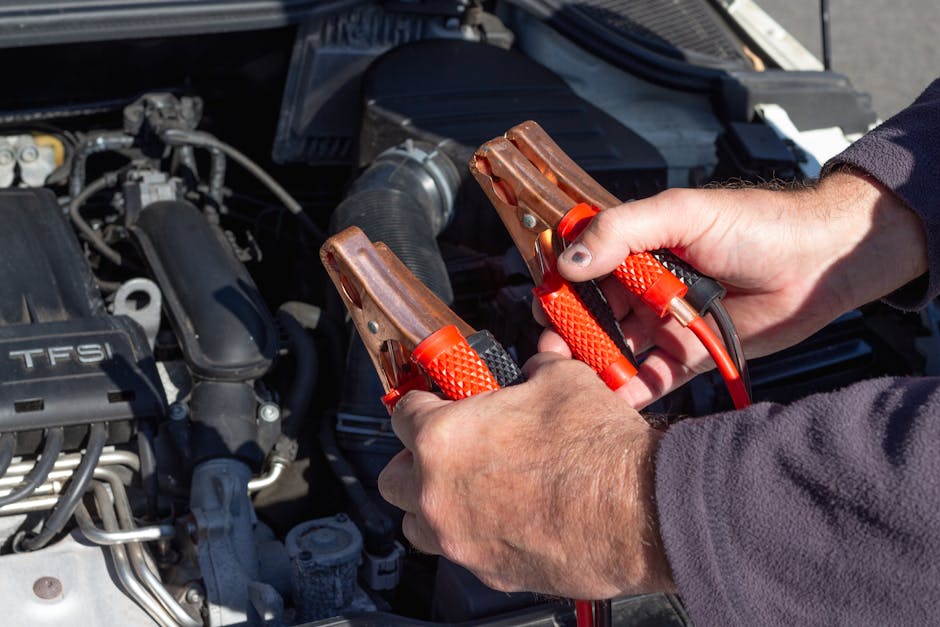
Car battery failures happen at the worst times. Cold mornings. Airport parking lots after a week-long trip. Dim grocery store garages. The traditional solution — calling AAA or a tow truck — takes 30-60 minutes in best case.
A portable battery jump starter in your trunk solves this. Self-contained, no other car required. Plug into the dead battery, start the engine, drive away. The technology has advanced to the point that a pocket-sized device can jump-start a full-size truck.
Here's which ones actually work when you need them, plus which to avoid.
NOCO GB40 Boost Plus — $129
The industry standard. Jump starts gas engines up to 6 liters and diesel engines up to 3 liters. Safety features prevent reverse polarity, overcharging, and sparks.
Form factor: pocket-sized (about the size of a thick phone). Easy to store in a trunk or glove compartment.
Features: built-in LED flashlight (useful when jumping in the dark), USB ports for charging phones, 9V power output for electronics.
Battery life: holds charge for months. Check quarterly to ensure it's still charged.
For most passenger cars, this is the right answer. Reliable, well-built, proven performance.
NOCO GB70 Boost HD — $229
Heavy-duty version. Jump starts gas engines up to 8 liters and diesel up to 6 liters. For large trucks, SUVs, and RVs.
Larger and heavier than the GB40. About 5 pounds. Still portable.
For owners of F-150s, full-size trucks, or diesel vehicles, the GB70 is the right size.
Anker 4,600mAh Jump Starter — $89
Budget alternative. Works for most passenger cars. Lower peak amp output than NOCO but sufficient for non-cold weather.
Performance in very cold conditions (below freezing): marginal. NOCO handles cold weather better.
For warm climates or users who primarily need a jumper for non-extreme conditions, Anker is value.
Ctek LiTiuM XT — $349
Premium professional jump starter. Highest peak output available. Works on everything up to heavy equipment.
Expensive for most consumers. Justified only for specific commercial or specialty use cases.
What to look for
Peak amp rating
The amp rating determines what engines the jumper can start. General guidelines:
- 800-1000 amps: small cars, motorcycles.
- 1500-2000 amps: most passenger cars, small SUVs.
- 2500+ amps: large trucks, diesel engines, RVs.
Match the rating to your largest vehicle. A GB40 at 2000 amps handles most passenger cars and small SUVs.
Safety features
Reverse polarity protection: essential. Prevents damage if you connect clamps backwards.
Spark-proof technology: connects safely without the scary sparks old jumper cables produced.
Short-circuit protection: prevents damage to the jumper or your car.
Overcurrent protection: stops the jumper from drawing too much current.
All NOCO and Anker products have these. Cheap generic jumpers sometimes don't.
Battery capacity
Measured in mAh. Higher capacity = more jump starts before needing recharge, and more usefulness as a power bank.
10,000 mAh is a good baseline. 20,000+ mAh is overkill for most use cases.
Additional features
Built-in flashlight: almost mandatory. Jumping a car is often in dim conditions.
USB outputs: let the jumper double as a power bank. Useful in emergencies.
Built-in air compressor: some jumpers include a tire inflator. Useful if you drive in remote areas.
How to use a jump starter
Step 1: ensure the dead vehicle is in Park or Neutral with the parking brake on.
Step 2: connect red clamp to the dead battery's positive terminal.
Step 3: connect black clamp to the dead battery's negative terminal (or to a grounded metal surface).
Step 4: turn on the jumper.
Step 5: attempt to start the car. If it doesn't start after 3-5 seconds, wait 30 seconds before trying again.
Step 6: once started, disconnect black first, then red.
Step 7: drive for at least 20 minutes to recharge the battery through the alternator.
What to do after jumping
If the battery died once, check your vehicle's charging system. A failing alternator causes batteries to die repeatedly.
If the battery is 5+ years old, replace it. Old batteries struggle in cold weather and leave you stranded more often.
Get your battery tested at any AutoZone or Advance Auto Parts for free. They'll tell you if the battery is good or needs replacement.
Storage and maintenance
Keep the jumper fully charged. Check quarterly.
Avoid extreme temperatures. Freezing cold or 120°F+ heat reduces battery life significantly.
Trunk storage is fine in moderate climates. In extreme climates, bring inside during extreme weather or use a thermal cover.
Battery life: 3-5 years for NOCO/Anker products. After that, the internal battery weakens.
What to skip
Skip any jump starter under $50. The specs are usually inflated, the safety features incomplete, and the build quality poor.
Skip "all-in-one" products that combine jump starter, air compressor, and emergency light. Each feature is compromised. A dedicated jump starter plus a separate air compressor is better.
Skip models that don't specify peak amp rating. The rating matters. Vague specifications suggest poor quality.
Skip generic Amazon brands without track records. Emergency equipment needs to work when you need it. Stick with NOCO, Anker, Ctek, or Schumacher.
Why a jump starter beats jumper cables
Jumper cables require another vehicle. In a parking lot at 10 p.m., finding a willing donor is stressful and time-consuming.
A jump starter is self-contained. Park anywhere, restart anywhere.
Traditional jumper cables can damage modern cars. Mismatched alternator ratings between donor and recipient can blow fuses or damage electronics. Jump starters are specifically designed to avoid this.
The 5-minute insurance
A $129 NOCO GB40 stored in your trunk takes 5 minutes to set up. Then it sits there, ready for the rare emergency.
Most drivers use their jump starter zero times per year. That's fine. The one time you need it, it prevents a 45-minute tow or a delayed flight.
The insurance math is simple: $129 once, zero ongoing cost, versus the cost of even one stranded incident. Worth it for most drivers.
Complementary tools
A portable air compressor ($40-80) for tire inflation. VIAIR 74P is a well-reviewed compact option.
A basic tool kit with basic sockets and screwdrivers.
Cheap emergency blanket.
Small first aid kit.
Together: about $200 for a complete trunk emergency kit. Maintained once, never touched unless needed.
The specific recommendation
For most passenger car drivers: NOCO GB40 Boost Plus at $129.
For truck/SUV/diesel owners: NOCO GB70 Boost HD at $229.
For budget-conscious drivers in warm climates: Anker 4600mAh at $89.
For professional/commercial use: Ctek LiTiuM XT at $349.
Don't agonize over this purchase. Buy, store, forget. Check once a quarter that it's charged. That's the extent of the ongoing commitment.
One thing worth knowing: you can charge a jump starter overnight and expect to use it once that same week, or leave it charged for months between uses. Modern lithium-ion jump starters self-discharge very slowly. A check every 2-3 months is plenty for most users.
A jump starter in your trunk is the car equivalent of a fire extinguisher in your kitchen. Statistically unlikely to be needed. Invaluable when it is. $129 one-time for the right tool is a reasonable price for the security it provides.