The Anker Ecosystem: Which of Their Products Are Worth It
Anker's charging gear is legendary. But their ecosystem now spans dozens of categories. Here's what's actually worth buying.
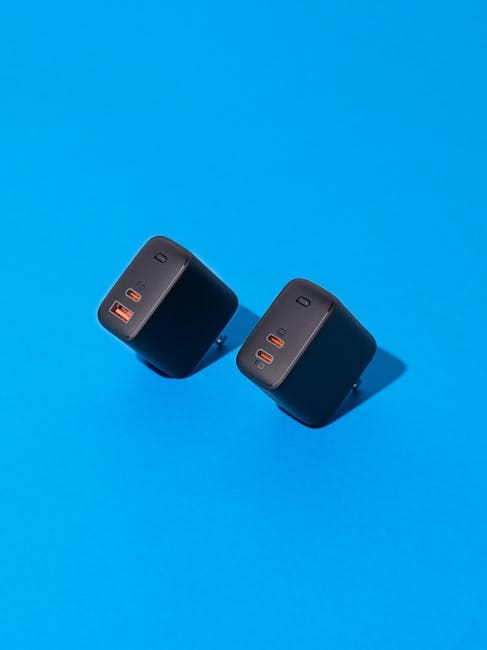
Anker started as a charger company and got a reputation for reliability. Over the last decade they've expanded into speakers, projectors, vacuum cleaners, headphones, smart home devices, 3D printers, and more. Some of these extensions are genuinely excellent. Some are mediocre products riding on the Anker brand. Knowing which is which saves you from buying into the wrong product line.
Here's my honest assessment after owning multiple products across Anker's categories.
Where Anker actually excels
Chargers and power delivery
Anker's original domain. Still their best category.
Key products:
- Anker 737 Power Bank: Best travel power bank on the market. Covered in detail elsewhere.
- Anker 747 Charger (150W): Best multi-port wall charger. GaN technology keeps it cool and compact.
- Anker 240W USB-C Cables: Reliable and certified for proper fast charging.
- Anker 535 Portable Power Station: Good entry-level battery backup for camping and home emergencies.
Anything Anker makes related to charging is worth trusting. The quality control is consistent, the electrical engineering is solid, and the products are durable.
USB-C hubs and docks
Second-strongest category. Anker 555 and 565 USB-C hubs are the default recommendation for most users (covered in the USB-C hub article).
Soundcore earbuds (mid-tier)
The Anker Soundcore Liberty 4 NC ($99) is the best budget ANC earbud on the market. Not flagship quality, but delivers 80% of the AirPods Pro experience for 40% of the price.
For users who've lost AirPods and want a cheaper replacement, or who primarily use earbuds for calls and don't care about premium audio, Soundcore is legitimate.
Eufy cameras and security products
Eufy is Anker's home security brand. The Eufy Security cameras with local storage (microSD card) are one of the few consumer camera brands that don't require cloud subscriptions.
Caveat: Eufy had a security incident in 2023 where camera feeds were briefly accessible to other users. The company responded, fixed the issue, but the trust was damaged. Monitor the situation before buying for primary security.
Where Anker is fine but not best
Soundcore home speakers
The Anker Soundcore Motion 300 and similar mid-tier home speakers are fine. Not remarkable. For $80-150 Bluetooth speakers, they deliver what you'd expect. But Sonos, Bose, and JBL make better home speakers at higher prices.
Skip if you can afford a flagship from established audio brands. Buy if budget is tight and you want better-than-generic performance.
Soundcore A40 mid-tier headphones
The A40 ANC headphones ($99) are acceptable but not great. Compare to Sony WH-1000XM5 ($399) — the Sony is vastly better in sound quality, ANC performance, and build quality.
For casual listening on a budget, A40 works. For anyone who wants serious headphones, flagship brands are in a different category.
Anker 3D Printers (Ankermake)
The Ankermake M5C is an adequate 3D printer. It works. It prints things. The quality is lower than Bambu Lab's equivalent products at similar prices. Ankermake feels like Anker's entry into a new category rather than their expertise.
For new 3D printer buyers, go with Bambu Lab P1S or Prusa MK4 instead. Ankermake hasn't proven itself yet.
Anker robot vacuums (Eufy RoboVac)
Decent at the budget end of the market. Less sophisticated than Roomba or Roborock flagships. For basic "robot vacuum that picks up daily dust," they work. For serious cleaning capability, flagship brands are better.
Where Anker is not good
Projectors (Nebula line)
The Anker Nebula projectors are overpriced for what they deliver. The image quality is mediocre compared to Epson, BenQ, or ViewSonic at similar price points.
The portable Nebula projectors (Capsule, Solar) are fine for occasional casual use but disappointing for serious home theater.
Don't buy Anker projectors if you care about image quality. Buy them if you want a very portable, casual-use projector with music streaming.
Soundcore budget earbuds (under $50)
The cheaper Soundcore earbuds ($30-50 range) are fine but not better than other budget earbuds at the same price. The mid-range is where Anker shines; the budget tier is indistinguishable from generic competitors.
Anker's customer service
One consistent strength across all Anker products: customer service. The warranty terms are reasonable, replacements arrive quickly, and support is responsive.
In the low-end accessories market, this matters. A $15 cable failing is a normal event; getting a free replacement from Anker without hassle makes the purchase feel protected.
Compare to generic Amazon brands where customer service is typically nonexistent. Anker's service alone often justifies a 20-30% price premium over cheaper alternatives.
The Anker ecosystem plan
For someone building out their tech accessories, Anker is a reasonable default for:
- Chargers and cables (Anker excellent)
- Power banks (Anker excellent)
- USB-C hubs (Anker excellent)
- Mid-tier earbuds if you don't want flagship (Anker Soundcore adequate)
- Mid-tier Bluetooth speakers if you don't want Sonos (Anker Soundcore adequate)
Skip Anker for:
- Premium audio (use Sony, Bose, Apple)
- Premium home speakers (use Sonos)
- Home cinema projectors (use Epson, BenQ)
- 3D printers (use Bambu Lab, Prusa)
- Robot vacuums (use Roomba, Roborock)
Key products to own
My recommended minimum Anker lineup for most tech users:
- Anker 737 Power Bank: $149. For travel and emergencies.
- Anker 747 Charger (150W): $149. Permanent desk or travel charger.
- Anker 240W USB-C cables (2-pack): $30. Reliable quality cables.
- Anker 555 USB-C Hub: $49. For any USB-C laptop.
- Eufy Doorbell (if you want a smart doorbell): $200.
Total: about $550 for a solid charging and connectivity foundation.
Where the Anker premium is worth it
Anker products cost 20-30% more than generic alternatives on Amazon. Is the premium worth it?
For chargers and cables: yes. Electrical safety matters. Cheap chargers occasionally damage devices. Anker's certification track record is excellent.
For data storage and accessories that don't involve power: the premium is less justified. Generic brands work fine for SD card readers, USB hubs for basic use, etc.
For speakers, headphones, and other categories where Anker isn't best-in-class: the Anker premium isn't worth it. Either go premium with a different brand or go budget with a generic.
The ecosystem benefit (small but real)
Buying multiple Anker products in a category (chargers, cables, hubs) means consistent visual design. The matching aluminum finishes and logo styles make desk setups look intentional.
Some Anker products also integrate — the Anker app works across their power station, lights, and security cameras. Not a dramatic integration advantage, but nice-to-have.
Don't buy Anker specifically for ecosystem reasons. Buy for individual product quality.
The reality check
Anker became successful by making reliable charging gear at fair prices with good customer service. They earned the premium for that category.
Expanding into 15+ new categories dilutes the brand. Some extensions (Eufy cameras, Soundcore earbuds) are legitimately good. Others (Nebula projectors, Ankermake 3D printers) are mediocre.
Don't assume Anker is best-in-class just because the brand is familiar. Verify each category individually. For power-related products, Anker is trustworthy. For other products, compare against category-specific leaders before buying.
Anker is a strong brand for what it does well. Nothing more, nothing less. Buy into the company's expertise. Skip the parts where they're stretching beyond their specialty. That's how ecosystem purchases work with any big brand — Anker's no different.