The Hearables Revolution: Open-Ear Headphones and Sleep Earbuds
Open-ear and sleep-focused earbuds are new categories that didn't exist five years ago. Some are brilliant. Some are junk. Here's how to tell the difference.
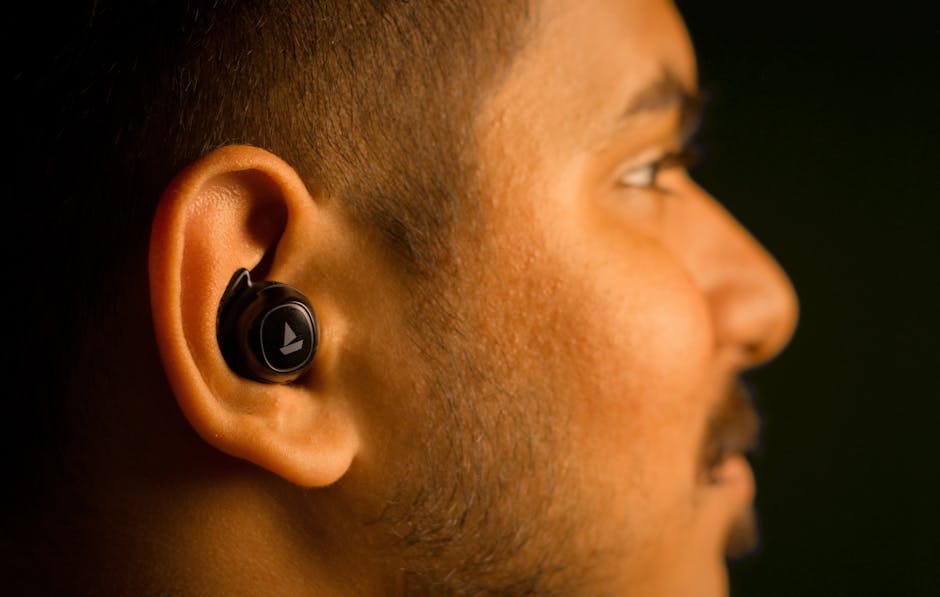
The earbud category used to be simple. You bought AirPods or competitors for phone calls and music. You used them in your ears, they blocked some ambient sound, end of story. Then came two new sub-categories that are worth paying attention to: open-ear headphones (which don't go inside your ear canal) and sleep earbuds (specifically designed for wearing in bed). Both solve real problems that traditional earbuds don't.
Here's what each category is, which products work, and when you'd actually use them.
Open-ear headphones: the commute and workout answer
Open-ear headphones sit against your ear rather than inside. Sound travels through air to your eardrum normally. Ambient sound isn't blocked. You hear traffic, conversations, your kids. You also hear your music, at a slightly lower quality than closed earbuds.
The use case: running outdoors, cycling, taking walks, any activity where hearing your surroundings matters. Traditional earbuds block traffic sounds, which is unsafe for outdoor activity.
Shokz OpenRun Pro 2 — $179
Bone conduction open-ear headphones. The sound transmits through vibrations against your skull rather than through your ear canal at all. This is the original format and still the best for runners and cyclists.
Sound quality: adequate for podcasts and casual music. The bass is weak — bone conduction has fundamental physics issues with low-frequency reproduction. For rock, classical, or bass-heavy content, this isn't the right tool.
What they do right: they stay put during runs, work with glasses, don't block ambient sound at all, are sweat-resistant.
Bose Ultra Open Earbuds — $299
Bose's attempt at open-ear earbuds that sit around the outside of your ear. They hook on rather than plugging in. Sound quality is better than bone conduction — the audio is actually played from small speakers near your ear.
Fit is the challenge. Some ears accommodate the design well, some don't. If you can try them before buying, do so. The return policy is your friend.
Sound quality: noticeably better than Shokz. For non-athletic open-ear use (desk work where you want to hear co-workers, at-home listening while staying aware), the Bose is superior.
AirPods 4 (base model) — $129
Apple's entry-level AirPods are not technically "open-ear" but they sit lightly in the ear without a deep seal. They're closer to open than to noise-isolating. Useful for casual listening where you want ambient awareness but not total isolation.
These are the default recommendation for most people who don't specifically need the other open-ear formats. Balance of price, sound, and function is excellent.
Sleep earbuds: niche but useful
Sleep earbuds are specifically designed for wearing while sleeping. They're tiny — small enough that you don't feel them against the pillow. They play white noise, ambient sounds, or music at low volume to drown out a snoring partner, city noise, or creaking house sounds.
The use case: light sleepers, partners who snore, shift workers sleeping during the day, travelers in noisy hotels.
Bose Sleepbuds II — discontinued, but worth mentioning
Bose made the original category-defining sleep earbuds. They were excellent and then Bose discontinued them in 2024. Second-hand units still work if you can find them. The Bose curated library of sleep sounds (rain, ocean, wind) was legitimately beautifully crafted.
Loop Quiet earplugs + any small Bluetooth earbud
A workaround approach. Loop Quiet earplugs ($24) reduce ambient noise significantly. Small AirPods Pro 2 at low volume through the plugs doesn't work directly, but using Loop Quiet alone often handles the partner-snoring problem without any Bluetooth involvement.
The AirPods Pro 2's noise cancellation with the Adaptive Audio mode on "low" actually makes decent sleep earbuds for short sessions. But they're too large for pillow-sleeping.
Anker Soundcore Sleep A30 — $179
The current best dedicated sleep earbud. Tiny form factor (smaller than a fingertip), specifically designed for side-sleeping. Passive noise reduction plus active noise cancellation. 8 hours battery life per charge.
Play your own music, audiobooks, or built-in sleep sounds. The companion app has sleep tracking features that work reasonably well.
For anyone who has genuinely struggled to sleep due to partner snoring or ambient noise, these solve the problem better than any other technology. For occasional use, probably overkill.
Where the hearables market is going
Hearing enhancement
The FDA's 2022 decision to allow over-the-counter hearing aids has produced a new category: consumer-grade hearing enhancement earbuds. The Sony C10 Self-fitting OTC hearing aids ($999), Jabra Enhance Pro ($1,995), and similar products look like regular earbuds and function as hearing aids for mild to moderate hearing loss.
The category is young but promising. Price drops expected as the market matures.
Health tracking earbuds
Some newer earbuds include heart rate monitoring, body temperature, and other biometrics. The Samsung Galaxy Buds3 Pro has heart rate. The Amazfit ZenBuds have temperature.
Honest assessment: heart rate at the ear is less accurate than at the wrist. Temperature from an earbud is affected by ambient temperature too much to be reliable. These are more marketing features than useful health data.
For serious health tracking, pair good earbuds with a proper smartwatch. Don't rely on earbuds for biometrics.
What to skip
Skip "smart glasses with earbuds built in" (Echo Frames, etc.) unless you specifically want always-on earbud access with glasses. The audio quality is worse than separate earbuds, the lens quality is worse than separate glasses, and the batteries die faster than either separately.
Skip translating earbuds (Timekettle, Google's abandoned Pixel Buds translation feature). Real-time translation through earbuds is clunky, the translations are mediocre, and your phone with Google Translate is better for actual communication.
Skip "gaming" earbuds for console or PC gaming. They're usually just regular earbuds with a gaming aesthetic. A wired gaming headset or the PS5 Pulse 3D headset is better for gaming audio.
Skip earbuds with mandatory subscription features (rare but exists). Any product that requires ongoing payment for basic features is a bad deal.
The fundamental choice
Most people don't need both open-ear and sleep earbuds. They use their primary earbuds (AirPods Pro 2, Sony WF-1000XM5, etc.) for most things, and choose one specialty based on their specific pain points.
Open-ear earbuds are the addition for runners, cyclists, commuters, and anyone who needs ambient awareness regularly. Sleep earbuds are the addition for light sleepers or people with snoring partners.
If neither of these problems applies, you don't need specialty earbuds. Your regular earbuds are fine.
Priorities
For most users, I'd recommend the order of purchases:
- Good primary earbuds with ANC (AirPods Pro 2 at $249, or Sony WF-1000XM5 at $299).
- Open-ear option if you run or cycle (Shokz OpenRun Pro 2 at $179).
- Sleep earbuds only if you specifically struggle with noise-interrupted sleep (Anker Soundcore Sleep A30 at $179).
A full hearable kit covers $500-700 and handles every major use case. Most people only need the first category. Some add the second. Very few need all three.
The pattern worth noticing
Hearables are getting better at solving specific problems. Five years ago, a single pair of earbuds was what you owned. Now people have different earbuds for different activities. This follows the same pattern as running shoes (trail, road, tempo), or kitchen knives (chef's, paring, bread). Specialization for specific use cases.
The downside: more stuff to own, more to lose, more to charge. The upside: each tool is better at what it does.
For most people, one pair of great earbuds plus one specialty pair for their main non-default use case is the right balance. Don't collect earbuds for the sake of it. Buy the second pair only when the first pair's limitations bother you regularly enough to solve. That's the honest test.
The hearables revolution is real. It's also small. The technology exists to solve problems that matter for specific users. If you're one of them, the products are now good enough to buy confidently. If you're not, the existing AirPods in your drawer are still the right answer.