Home Automation That Doesn't Require Rewiring Your House
The home automation advice online assumes you're remodeling. Here's how to automate a house you don't want to rewire.
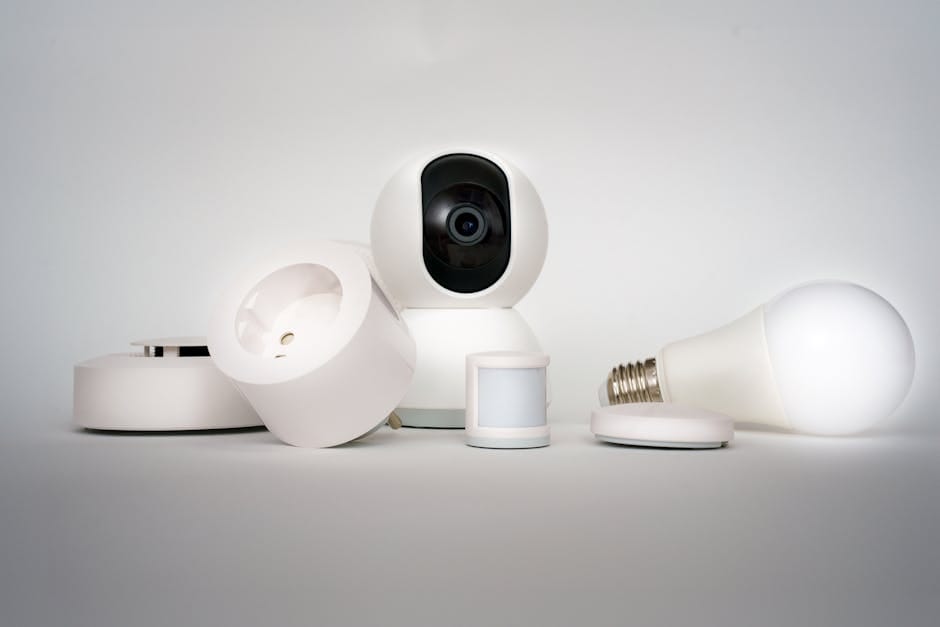
Most home automation guides assume you're either renovating or you're willing to rewire your walls. You want a smart switch? Pull a neutral wire to the switch box. You want motorized blinds? Install a hardwired motor with its own power feed. You want whole-home audio? Run Cat 6 to every ceiling.
This advice excludes most people. Renters can't modify infrastructure. Homeowners often don't want to pay an electrician $200/switch to make small changes. Apartment dwellers have building rules about electrical work.
Here's home automation that genuinely works with the wiring you already have, at the cost of tools you can install yourself in an afternoon.
Smart switches without rewiring
Lutron Caseta — $65/switch
Lutron Caseta switches don't require a neutral wire. Most smart switches do. That single difference makes Lutron viable in older homes where the neutral wire doesn't exist at the switch box.
The system works like this: plug the Lutron Smart Hub into your router, swap any light switch for a Lutron Caseta switch, and that's it. The hub and switches communicate over Lutron's proprietary wireless network, which is rock-solid reliable.
Caseta integrates with Alexa, Google Home, HomeKit, and Matter. App control works. Scheduling works. Scenes work. All without modifying your home's wiring.
The Pico remote trick
The Lutron Pico remote is a wireless battery-powered switch that looks like a regular switch. Stick it on any wall with adhesive. It controls Caseta switches (or any compatible smart device) wirelessly.
Use cases: three-way switches without running new wiring. Controls for lights in rooms with inconvenient switch locations. Bedside lamp controls. Outside lights that don't have indoor switches.
At $25 per Pico remote, this is the cheapest way to add switch-like control to any smart device.
Smart bulbs for rental flexibility
Smart bulbs require no installation beyond replacing the regular bulb. Renters can fully undo all changes when they move — unscrew the smart bulbs, put the regular ones back. Zero damage, zero landlord friction.
Philips Hue with Hub — $40/bulb
Most reliable smart bulb system. The Hue Bridge is required ($60) but lets you control up to 50 bulbs reliably. Dimmable, color-changing, tunable white.
Ikea Tradfri — $25/bulb
Cheaper, less polished app, similar functionality. Ikea's 2024 Matter update let Tradfri bulbs work with more hubs. If you have a Matter hub (HomePod, Apple TV 4K, Echo with Thread), Tradfri is a legitimate budget alternative to Hue.
Don't buy Wi-Fi smart bulbs
Wi-Fi bulbs flood your router with traffic and often lose connection after network changes. Zigbee (Hue, Tradfri) or Matter-based bulbs are more reliable. Generic Wi-Fi smart bulbs under $15 are not worth the savings.
Plug-in smart devices
Smart plugs — $25 each (4-pack: $60)
Any lamp, fan, or small appliance becomes smart when you plug it into a smart outlet. The TP-Link Kasa (Matter-compatible) and Meross models are the reliable choices.
Use cases: lamps without switches accessible from bed. Coffee maker that turns on at 7am. Space heater that runs for an hour before you come home. Christmas lights on a schedule.
Most underrated smart home device. 80% of what you want from "automation" is just turning things on and off on a schedule or remote command. Smart plugs do this for $20.
Smart relay switches (in-wall)
For more permanent installation without visible replacement switches, products like the Aqara T2 Relay or the Shelly Plus 1 fit inside the existing switch box. They add smart control to an existing dumb switch.
Requires going into the switch box (not ideal for renters) but doesn't require pulling new wires. Compatible with most existing switches regardless of wiring style.
Wireless motion and contact sensors
Aqara motion sensor — $25
Battery-powered, tiny, magnetically mounts anywhere. Use to trigger lights when entering a room, alerts when someone comes home, notifications when a door opens.
Combined with smart bulbs or plugs, motion sensors create "automatic lighting" that works like commercial-grade systems at a fraction of the cost.
Standard automations:
- Motion in hallway + low ambient light → turn on hallway lights
- Motion in bathroom → turn on light (different from manual switch triggered)
- No motion for 15 minutes → turn off lights
Aqara door/window sensor — $18
Stick on any door or window. Triggers when opened. Use for:
- Front door opens → send notification to phone
- Any window opens while AC is on → alert
- Closet door opens → turn on closet light
Battery lasts 2+ years. Mount position requires a small fiddle to get right, then it works reliably.
Smart locks (mostly)
Most smart locks replace the existing lock mechanism, working with the existing door hole. The Yale Assure Lock 2 and August Smart Lock both install without drilling additional holes in the door.
Renters: verify with your landlord before replacing the lock. Most landlords require that the old lock be preserved (stored somewhere) for the end of lease.
Owners: this is a straightforward 20-minute installation for anyone with a Phillips screwdriver.
The key benefits — auto-lock, unique PIN codes for family/cleaners, remote unlock — work without any additional wiring.
Wireless blinds
SwitchBot Curtain — $99
Clips onto existing curtain rods. Motorizes the curtain opening without replacing the rod or track. Works with app control, scheduling, and major home automation platforms.
For rod-style curtains, this is the cheapest path to motorized window treatments.
Ikea Praktlysing motorized blinds — $149
For window blinds specifically, Ikea sells pre-motorized blinds that install like any standard blinds. Battery-powered, charged via USB-C every 6-12 months. Work with the Ikea Home Smart app.
Add-on motor for existing blinds — $179 (Aqara Curtain Motor)
For existing blinds that you don't want to replace, the Aqara Curtain Motor adds motorization to most roller blinds. More fiddly to install than Ikea's integrated solution but preserves existing window treatments.
Voice control without major investment
A single HomePod mini ($99) or Echo Pop ($39) provides voice control for all the smart devices above. Place it in a central location, set up the account on your phone, and you can say "turn off the lights" from most rooms.
Voice control is often the gateway to actually using smart home devices. Setting up automations is work. Saying "turn on coffee" each morning is easy.
What to skip if you're not rewiring
Skip hardwired smart thermostats that require C-wire installation if your furnace doesn't have a C-wire. The adapter tricks sometimes work but are unreliable. Unless you're replacing your HVAC system, use a battery-powered thermostat alternative.
Skip in-wall smart speakers. Sonos Amps and custom audio installations require real electrical work. Use the Sonos Era 100 and Era 300 as portable alternatives that deliver the same sound without wiring.
Skip smart ceiling fans. Replacing a ceiling fan with a smart one requires wiring work most renters can't do. Use a smart plug between the existing fan's switch and the power source (if the fan has a pull chain) as the rental-friendly alternative.
Skip smart doorbells that require power from existing chime wiring if no such wiring exists. Battery-powered video doorbells (Ring Battery, Aqara G4) are the rental answer.
The realistic smart home for a renter
After 2 years of living in an apartment with heavy smart home integration (no wiring changes), here's what I'd recommend:
- Philips Hue bulbs + Hue Bridge for living room and bedroom ($250 total)
- TP-Link Kasa smart plugs (4) for lamps and small appliances ($60)
- Aqara motion sensors (3) for hallway and bathroom ($75)
- Aqara door sensor (1) for front door ($18)
- HomePod mini for voice control ($99)
- Apple TV 4K for Thread/Matter hub ($149)
- SwitchBot Curtain for bedroom curtains ($99)
Total: about $750. All renter-friendly (no permanent modifications). All reversible at move-out.
Five years of use: the cost is $150/year, similar to streaming services most people pay for. The quality-of-life improvement is substantial.
The philosophy that matters
The best smart home doesn't require you to change wiring, replace switches with smart ones visible from the wall, or hire an electrician. It adds intelligence to the things you already own and layer in automation gradually.
If you need an electrician for a smart home decision, that decision is probably wrong for a renter or for anyone resisting permanent modifications. Work with the wiring you have. Add intelligence in the form of bulbs, plugs, sensors, and hubs. Use voice control as the easy gateway.
This path is slower than "rewire everything" but cheaper, reversible, and accessible to anyone. A fully smart home is achievable for under $1,000 without touching a single wire. The idea that home automation requires commitment to permanent infrastructure changes is marketing from companies that want you to buy expensive installations.