Smart Rings in 2026: Oura, Ultrahuman, Samsung Galaxy Ring
Smart rings became a legitimate wearable category in 2024-25. Here's which one actually delivers the data worth having.
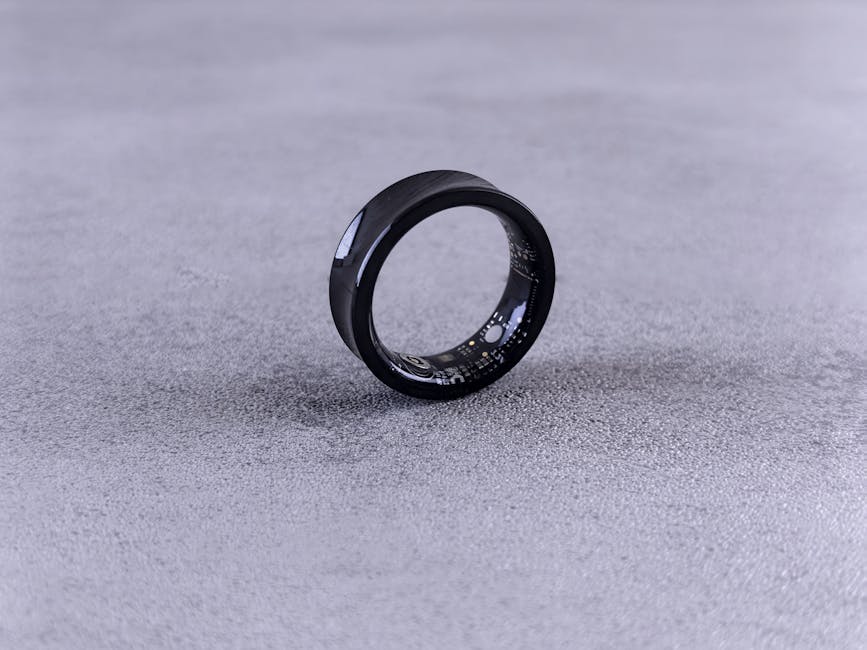
Smart rings were a niche for a decade. Oura made them a category. Now Samsung, Ultrahuman, and others are competing. The pitch is compelling: all-day health tracking without a watch on your wrist. Sleep tracking, heart rate, recovery data, body temperature — all from a piece of jewelry.
The reality is more nuanced. Smart rings do specific things well. They fail at other things. After six months with the Oura Ring Gen 4 and shorter trials of the Ultrahuman Ring Air and Samsung Galaxy Ring, here's what actually works in this category.
The Oura Ring Gen 4 — $399 + $5.99/month
The category-defining product. Sleep tracking that's genuinely accurate. Heart rate variability tracking. Body temperature trends. Oura Score (a composite wellness metric) that correlates with how you actually feel day-to-day.
The app is excellent. Data presentation is clean. Trends are identified helpfully. The Oura app is genuinely useful for understanding your health patterns.
The subscription model is controversial. $399 for the ring plus $5.99/month for data access. Over three years, that's $215 in subscription on top of the ring purchase. Some users find this offensive; others view it as reasonable for the ongoing data analysis.
Battery: 4-7 days depending on use. Charges in 60-90 minutes.
Form factor: discreet. Available in multiple finishes. Doesn't look like a tech device — looks like a piece of jewelry.
Ultrahuman Ring Air — $349 (no subscription)
The Oura alternative without subscription. Similar size and weight. Different metal options. All features accessible through the app without ongoing payments.
App experience is slightly less polished than Oura. Sleep tracking is comparable. Recovery recommendations are good. Glucose monitoring integration (with continuous glucose monitor) is unique and useful for diabetics or biohackers.
Battery: 3-6 days.
Total 3-year cost: $349. Significantly cheaper than Oura over time.
For users who don't want subscription lock-in, this is the alternative.
Samsung Galaxy Ring — $399
Samsung's entry. Part of the Samsung Health ecosystem. Pairs with Galaxy phones, Galaxy Watches, and other Samsung health devices.
Accuracy of sleep and heart rate: comparable to Oura.
App experience: Samsung Health is improving but still behind Oura and Ultrahuman in data analysis. Features like "Energy Score" are less refined than Oura's equivalents.
Battery: 5-7 days.
Where it wins: ecosystem integration. If you have a Galaxy Watch and Galaxy phone, the ring adds another layer of health data visible across your Samsung devices.
Where it loses: for non-Samsung users, the ring is less compelling. App features are tied to Samsung phones.
What smart rings actually tell you
Sleep tracking (good)
Smart rings track sleep duration, stages (deep, REM, light), heart rate during sleep, and movement. More accurate than wrist-worn devices because the ring doesn't shift during the night.
The data reveals patterns. Which nights you sleep well. How alcohol affects sleep quality. Whether your new mattress is actually helping.
For anyone invested in sleep optimization, this is the killer feature of smart rings.
Heart rate variability (useful for training)
HRV is a recovery indicator. Higher HRV suggests better recovery. Lower HRV suggests fatigue or stress.
For endurance athletes and biohackers, HRV trends help plan training load. Stop adding intensity when HRV drops. Push harder when HRV rebounds.
For non-athletes: HRV is interesting data but less actionable.
Body temperature trends (valuable for some)
Smart rings track skin temperature changes overnight. Consistent baseline. Deviation flags illness onset, ovulation (for women tracking fertility), or other physiological changes.
Specifically: Oura's temperature tracking has detected onset of illness 1-2 days before symptoms for many users. Not infallible, but useful.
Activity tracking (basic)
Smart rings don't do activity tracking as well as watches. Steps, calories, and workout metrics are less detailed than Apple Watch or Garmin.
For pure activity tracking, a smartwatch is better. Rings complement — not replace — activity trackers.
The "oh good, I don't need to charge my watch" benefit
The genuine advantage of smart rings over smartwatches: you don't think about them. Put them on. Use them for 5-7 days. Charge for 90 minutes. Put them back on. No daily charging ritual.
Combine this with sleeping comfortably in the ring (unlike watches, which many people remove for sleep), and the ring captures 24/7 data that watches miss.
Who smart rings are for
Sleep optimizers
Best use case. The data is accurate and actionable. If you care about sleep quality, a smart ring provides information you can't easily get otherwise.
Athletes tracking recovery
HRV trends paired with training logs reveal patterns. When to push, when to rest. Useful for serious endurance training.
People who can't wear watches at work
Specific professions (surgeons, food service workers, some manual labor) don't allow wrist-worn wearables. A ring is invisible and acceptable.
People who find watches uncomfortable
Some people never adapt to smartwatch weight or size. Smart rings avoid the wrist.
Who should skip smart rings
Primary fitness users
If your main wearable interest is activity tracking and workout metrics, get a smartwatch. Rings are weaker at these.
People who want notifications
Smart rings don't have displays. No call alerts, no message previews, no calendar reminders. If you want notifications on your body, get a watch.
People unwilling to pay subscription (for Oura)
Oura's subscription is real cost. Ultrahuman or Galaxy Ring if you want to avoid it.
Non-Samsung Android users (for Galaxy Ring)
Galaxy Ring is less valuable outside Samsung ecosystem. Non-Galaxy phone users should choose Oura or Ultrahuman.
Ring sizing and fit
Smart rings need to fit correctly. Too loose: data quality suffers. Too tight: uncomfortable during temperature changes (fingers swell in heat, shrink in cold).
All three brands offer free sizing kits before you buy. Use them. Ring size varies throughout the day. Size for the middle — not the morning or evening.
Finger choice: most users wear on the index or middle finger of the non-dominant hand. Thumb placement interferes with grip. Ring finger has wedding ring competition for many.
Battery life trade-offs
5-7 days battery from a ring-sized form factor is remarkable engineering. Comes at the cost of:
- No display or active feedback while wearing.
- Limited continuous monitoring (sampling happens periodically, not constantly).
- No companion features (payments, GPS, music control).
For users who want continuous features, a smartwatch is necessary. For users who just want data without thought, the ring's battery enables the use case.
The privacy consideration
Smart rings collect sensitive health data 24/7. That data syncs to the company's servers.
Oura's privacy policy is relatively strong. They don't sell data. Subscription revenue funds their business.
Samsung uses health data within their ecosystem. Policies are more complex. Data may be used for personalization.
Ultrahuman has startup-typical privacy policies. Fine for most users; the company's long-term trustworthiness isn't established.
Consider what data you're comfortable sharing. If it matters, read the policies.
Combining rings with watches
Some users wear both a smart ring and a smartwatch. The ring handles sleep and baseline health data. The watch handles workouts and notifications.
Total cost: $700-1,200 for both. Significant investment.
For serious health optimization (athletes, biohackers, people with specific medical interests), the combination is justified. For most people, pick one.
The honest recommendation
For most users: Oura Ring Gen 4 at $399 + subscription. Most refined product, best data analysis, widest ecosystem. The subscription is annoying but the quality justifies it for many users.
For subscription-averse: Ultrahuman Ring Air at $349. Comparable feature set, no ongoing fees.
For Samsung households: Samsung Galaxy Ring at $399. Ecosystem integration provides value Samsung users appreciate.
Smart rings are a legitimate wearable category now. They do specific things well — sleep, recovery, body temperature trends — and fail at others (notifications, activity details). Understanding what they do before buying prevents disappointment.
For the sleep-optimization-focused user: the Oura or equivalent is the best tool for the job. For the fitness-tracking-focused user: a watch is still the right answer. Know which you are.