VR in 2026: Quest 3S, Vision Pro, and Why I Keep Using Both
Apple's Vision Pro is impressive. Meta's Quest 3S is fun. After a year with both, here's what each actually does and why I use both.
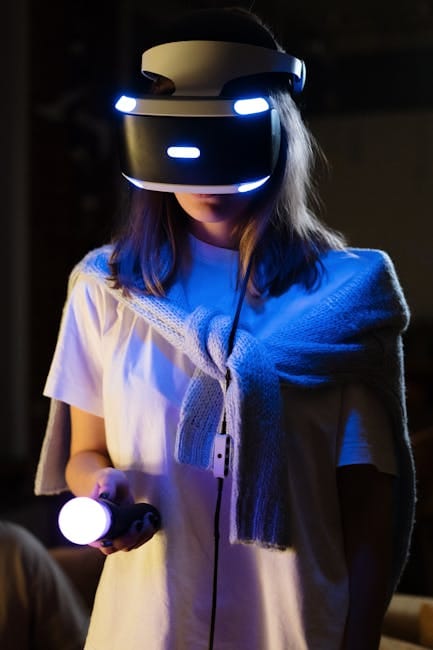
A year into owning both the Meta Quest 3S and the Apple Vision Pro, I have strong opinions. Most VR coverage is either cheerleading for the category ("the future is here!") or dismissive ("nobody uses these"). The reality is more specific and more useful than either narrative. Both headsets have real use cases. Neither is close to replacing the phone or laptop. The differences between them are significant enough that most people should buy one or the other, not both.
Let me tell you what each one actually does well, where each fails, and which one is right for you.
Meta Quest 3S: the one people actually use
The Quest 3S at $299 is the best-value gaming-focused VR headset ever made. Let me be specific about what that means. Standalone operation — no PC or phone required. Full-color passthrough cameras that let you see the real world around you. 120Hz display. Library of 500+ native VR games plus backward compatibility with Quest 2 games.
In my house, the Quest 3S gets used for three things: Beat Saber (still the best VR game ever made, five years after launch), Thrill of the Fight boxing training, and occasional group sessions of Arizona Sunshine 2 or Demeo with friends in other cities. Those three applications account for 95% of my Quest 3S time.
What the Quest 3S doesn't do well: productivity work, video watching in high quality, anything requiring long focus sessions. The display is fine but not Vision Pro-grade. The comfort is adequate for hour-long gaming sessions and worse for multi-hour productivity.
Battery life is about 2.5 hours. For gaming, that's fine. For movie watching, you'd watch the end credits on auxiliary power.
What changed with the 3S vs older Quests
The 3S uses the same Snapdragon XR2 Gen 2 processor as the Quest 3. Performance is similar. The main differences are the lens system (Fresnel lenses in the 3S vs pancake lenses in the 3) and the price ($299 vs $500).
For gamers, the 3S is a better value. The lens difference is noticeable but not critical for gaming use. For mixed-reality productivity work, the Quest 3 is worth the extra money for the improved passthrough cameras.
Most buyers should get the 3S. It's the right balance of performance and price.
Apple Vision Pro: the one people mostly don't use
The Vision Pro at $3,499 is an engineering marvel. The display is the best I've ever seen — 23 million pixels total, individual pixels invisible to the eye at normal viewing distance. The spatial audio creates a convincing sense of room-scale sound. The hand tracking is accurate in a way the Quest's isn't.
In practice, the Vision Pro sits on a shelf in my home office. I use it maybe 3-4 times a week for specific tasks:
- Watching movies in bed when my wife wants to read — the immersive cinema screen is genuinely the best way to watch a movie short of an actual IMAX theater.
- Working on long flights — a fake 27-inch display floating in front of me is dramatically better than the laptop's actual 14-inch screen in a cramped seat.
- Environmental change during long writing sessions — the "Mount Hood" environment is weirdly effective at restoring focus when I've been stuck on a document.
What the Vision Pro doesn't do well: casual use, gaming, any scenario where you're comfortable wearing a headset for less than 30 minutes. The Vision Pro is heavy (650 grams without the battery). It's uncomfortable after 90 minutes. The external battery pack is awkward.
The library of apps is improving but still thin. Most iPad apps run on visionOS, which is the main value proposition. Native visionOS apps exist but fewer than you'd expect a year after launch.
The $3,499 question
Is the Vision Pro worth $3,499? Almost certainly not for most people. It's a first-generation luxury device. The second generation (expected 2027) will be lighter, cheaper, and have more native apps.
If you're an early adopter who wants to be on the Apple VR platform from the start, or you travel constantly and want an always-available premium display in your hotel room, it's a niche-justified purchase. For anyone else, wait.
The specific use cases each wins
VR gaming: Quest 3S wins decisively
The Quest has a library of native VR games that simply doesn't exist on Vision Pro. Beat Saber, Asgard's Wrath 2, Resident Evil 4 VR, Blade and Sorcery. These are full-length AAA-quality VR games. Apple's Vision Pro gaming library is limited to some spatial iPad games and a handful of native apps. Not comparable.
Movie watching: Vision Pro wins
The cinema mode on Vision Pro creates a virtual 100-foot screen in a virtual theater. The display quality, contrast, and spatial audio together create an experience that's better than any physical TV at home. The Quest 3S does this at a mass-market level; Vision Pro does it at a professional level.
Fitness VR: Quest 3S wins
Quest's Supernatural (subscription), Thrill of the Fight, FitXR, and dozens of other fitness apps have established the Quest as a legitimate workout tool. The Vision Pro has some fitness apps but the comfort during sustained movement is worse — the weight and the external battery pack get in the way.
Productivity: Vision Pro edges it for some use cases
If your productivity need is multiple floating displays while traveling, the Vision Pro delivers a truly useful experience. A Mac paired via Continuity appears as a full 4K display in front of you, plus you can have two additional panels open for reference material. The Quest has similar features but less refined.
For most office work at a desk with a monitor already in front of you, neither VR headset is useful. The productivity benefits only emerge in travel or constrained-space scenarios.
The social reality of VR in 2026
Both headsets are still awkward in mixed-company settings. Nobody wants to watch you wear one. The Vision Pro's attempt at eye display (showing your eyes on the outside of the headset) is technically interesting and socially weird. The Quest just looks like a Quest.
You still take it off when someone enters the room. Ten years into consumer VR, this social friction hasn't been solved.
There's a solo-use argument for both headsets: you use them when you're alone, maybe in a hotel room or at home when your partner is in another room. That's genuinely when VR works best. Expecting group VR adoption like TV is still premature.
What to buy (or not)
If you want to try VR for the first time: Quest 3S at $299. The entry price is low enough that you can afford to discover it's not for you. If you love it, you can upgrade to Quest 3 or whatever comes next.
If you already have a Quest 2 or older headset: Upgrade to Quest 3S if your old one is getting worn. The improvement in mixed reality and performance is real.
If you're an Apple power user with money to burn and specific use cases (travel, media consumption, hands-free demos): Vision Pro is worth considering. Walk into an Apple Store and book a 30-minute demo first. Many people come out of that demo realizing it's not what they expected.
If you're waiting for the right VR headset to emerge: Keep waiting. The next generation of both Meta and Apple hardware (expected 2027) will be noticeably lighter, cheaper, and more app-rich. There's no urgency unless you have a specific current use case.
What I don't do with either
Meetings. The idea of attending a work meeting as a virtual avatar has not caught on and probably won't for another decade. The technology works; the social acceptance doesn't.
Extended reading. Both headsets have good text rendering but neither is comfortable for reading a book for an hour. A Kindle is a better tool.
Daily productivity. I've tried. Even with Vision Pro's floating displays, 8 hours of work in a headset is fatiguing in ways 8 hours at a laptop isn't.
The long-term reality
VR and mixed reality are not replacing phones or laptops anytime soon. They're a new device category with specific use cases — premium gaming, immersive media, specialized work in constrained environments. The category will grow, but it will grow alongside traditional devices, not replace them.
Buy one (Quest 3S is the right answer for 90% of people) for the specific things it does well. Keep using your phone and laptop for everything else. That's the balanced life of VR in 2026.
The Vision Pro demonstrates where the category is going. The Quest 3S demonstrates where it actually is. Both are interesting. Neither is essential. Buy one only if you have a specific use case — movies, gaming, fitness, or travel — that benefits from what VR offers. Otherwise, wait another generation. You won't miss anything you can't recover from by arriving late.