Mechanical Keyboards Under $200 That Actually Earn the Money
What actually matters in a sub-$200 mechanical keyboard, with specific picks across layouts and use cases.
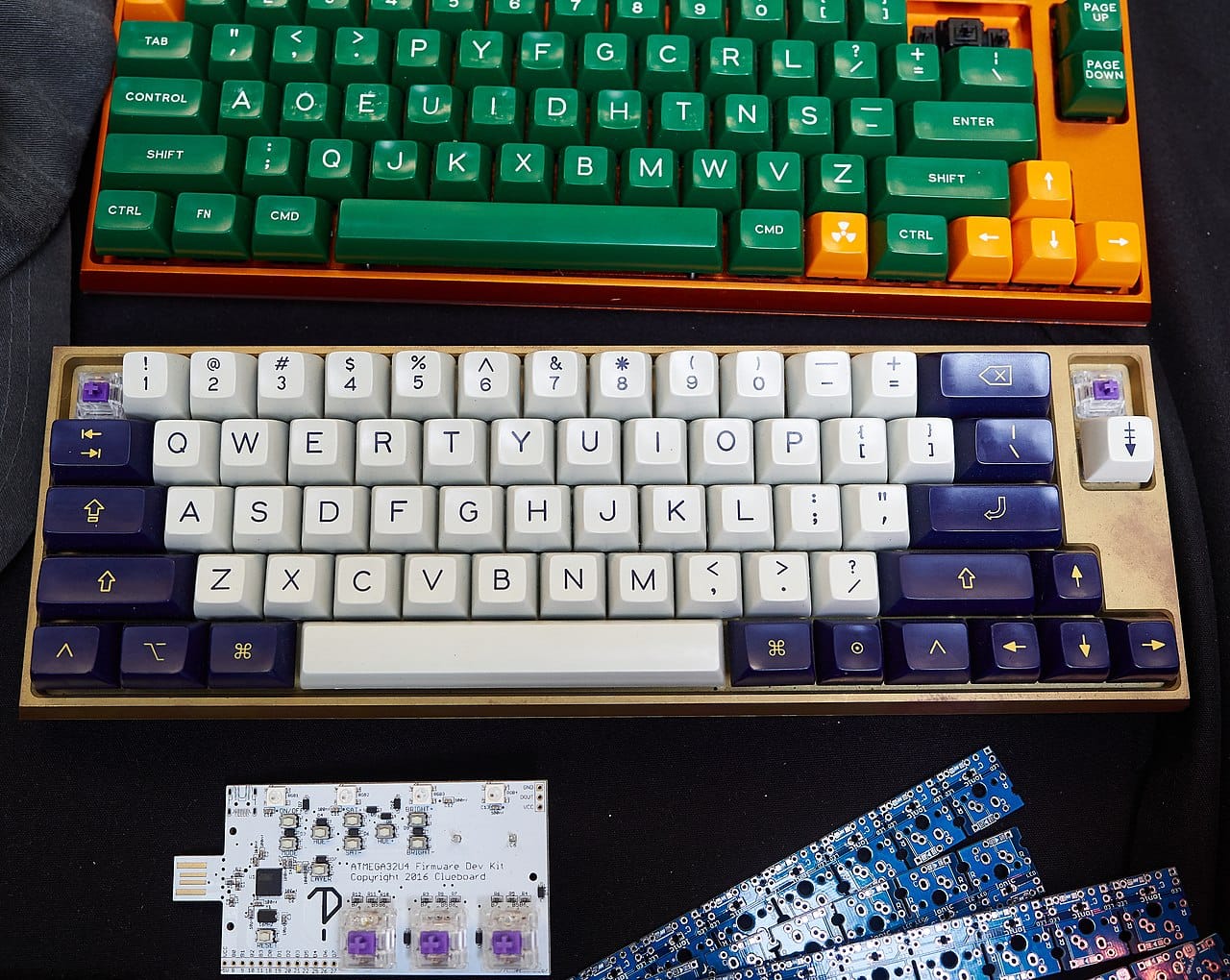
The first time I typed on a Keychron Q1 Pro after years on a flat membrane board, the difference was startling enough that I emailed three coworkers about it. Two of them already owned mechanical boards. They had been waiting for me to figure it out. The category has matured fast, and the under-$200 segment now contains keyboards that would have sold for twice that price four years ago.
The market is also confusing. Hot-swap, gasket-mount, lubed switches, PBT keycaps, QMK, VIA, south-facing LEDs, polling rates above 1000 Hz. Most of these terms matter, some do not, and the difference between a $90 keyboard and a $190 keyboard is rarely what marketing copy implies. What follows is what's worth paying for, what's not, and which boards currently deliver in the bracket.
What Actually Matters
The build matters more than the switches. A solid case with proper internal damping makes cheap switches sound and feel decent. A cheap case with premium switches still feels hollow and pingy. Aluminum cases dominate above $130, with steel weights inside many of them. Plastic cases at $60 to $100 can be excellent if the maker pays attention to internal foam, plate material, and stabilizer tuning.
Hot-swap sockets are nearly universal at this price now and worth insisting on. They let you change switches without soldering, which matters because most stock switches ship un-lubed and disappoint anyone who has typed on a properly tuned board. A $40 set of pre-lubed switches transforms most keyboards more than spending another $80 on the chassis.
The Layout Decision
The 75 percent layout has emerged as the sweet spot for most users. It keeps function keys, arrows, and a small navigation cluster while saving the desk space of tenkeyless. The 65 percent layout drops the function row entirely, requiring a layer toggle for F-keys, which works well once you commit but frustrates anyone who lives in spreadsheets or video editing software.
Full-size and 1800-compact layouts retain the numpad. If you do data entry, accounting, or any work involving sustained number input, do not buy a tenkeyless and an external numpad to save desk space. The combination is worse than either alone. The Keychron Q5, Glorious GMMK 2, and several Lemokey options serve this need under $200.
Specific Recommendations Under $200
Keychron Q1 Pro - $199
The Q1 Pro remains the default recommendation for a reason. Aluminum case, gasket mount, double-shot PBT keycaps, hot-swap sockets, QMK and VIA support, and Bluetooth plus 2.4 GHz wireless. The wireless implementation is mature, with battery life around 100 hours with backlighting off. Stock switches are mediocre. Plan to replace them, ideally before unboxing the rest of the kit.
Lemokey L3 - $189
From the same parent company as Keychron, the L3 targets gamers with an 8000 Hz polling rate and tighter latency than most boards in the bracket. The 1800-compact layout keeps the numpad in a dense footprint. The doubleshot PBT caps and aluminum case match Q1 Pro quality. Worth choosing over the Q1 Pro if you play first-person shooters or care about polling rates above 1000 Hz.
NuPhy Air75 V2 - $130
The Air75 V2 is the low-profile pick. At about 16 mm thick, it sits closer to a laptop keyboard than a traditional mechanical, with travel and feel that still feel mechanical rather than scissor. Wireless implementation is solid, and the Gateron low-profile switches are better stock than most full-height options. A genuine alternative to a Magic Keyboard for Mac users who want tactility without bulk.
Glorious GMMK 3 Pro - $169
Modular in ways most boards are not. Switchable plates, gasket configurations, and even the badge are user-replaceable. Build quality is just below the Keychron Q-series, but the customization ceiling is higher and the software is more flexible. A good pick for users who want to tinker without committing to soldering or full custom group buys.
Wuque Studio Mammoth75 Lite - $179
The closest thing to a custom keyboard at retail price. The acoustic profile out of the box rivals boards built from $400 in parts. Layout is locked at 75 percent, no wireless, no hot-swap on some configurations. Worth the trade-offs if sound is your priority and you accept a wired-only setup.
Where Not to Save Money
Skip any keyboard at this price without PBT keycaps. ABS plastic shines and develops a greasy patina within months. Skip boards without proper stabilizer tuning, which causes the rattly bar sound on space, shift, and enter. Reviews on YouTube and the r/MechanicalKeyboards subreddit will tell you within thirty seconds whether a board's stabs are usable.
Be skeptical of keyboards that only support proprietary software. QMK and VIA are the standards, and they're free, open source, and stable. Brands that lock remapping behind their own apps tend to abandon those apps after a product cycle, leaving you with hardware that cannot be reconfigured.
One Counter-Point
For some men, none of this matters. If you spend two hours a day at the keyboard and your typing has been comfortable on a $25 Logitech for a decade, the upgrade ROI is genuinely low. Mechanical keyboards reward heavy daily use and the kind of sensory attention that becomes a hobby. They are not productivity multipliers in the way ergonomic chairs or large monitors are. Anyone telling you otherwise is selling something.
The Recommendation
Buy the Keychron Q1 Pro, replace the switches with HMX Macchiato or Gazzew Boba U4T depending on whether you prefer linear or tactile, and stop reading keyboard reviews for at least two years. The board will outlast three laptops. The internal foam and gasket mount mean you can change keycaps and switches indefinitely without diminishing returns. Total spend: about $260 with switches, about $300 with a keycap upgrade. That is the whole journey for most users, and it ends in a keyboard that is genuinely better than anything sold below this segment.