Smartwatch Buyer's Guide 2026: How Men Should Actually Choose One (and Skip the Hype)
Most men buy a smartwatch for the feature list and use it for sleep and steps. Here's how to pick the right one for your phone, your habits, and your budget.
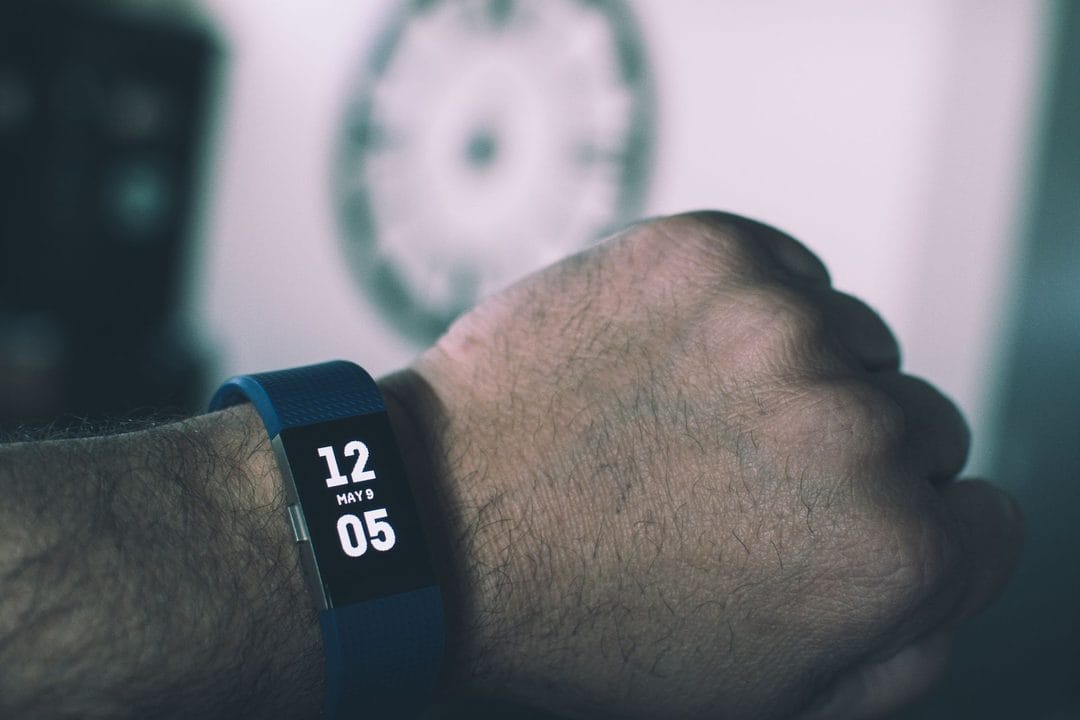
Most men buy a smartwatch for one reason and end up using it for another. You think you want notifications on your wrist; six months later the only thing you check is sleep and step count. That mismatch is why so many of these things end up in a drawer next to the dead fitness band from 2021. Buy for what you'll actually do, not the feature list on the box.
Decide what the watch is for before you spend a penny
There are really three buyers here, and they want different things. The first wants a proper training tool: running, cycling, heart-rate zones, recovery scores. The second wants a daily smartwatch that happens to track health: notifications, contactless payments, a decent battery, and a sleep graph he glances at over coffee. The third just wants to stop wearing a dead Fitbit and have something that tells the time and counts steps.
Be honest about which one you are. A triathlete's watch on the wrist of a man who walks the dog and lifts twice a week is wasted money and a worse experience, because the training-focused models trade away polish and app smoothness for sensor depth.
The platform decision comes first, and it's mostly about your phone
If you carry an iPhone, the Apple Watch is the obvious default and everything else fights uphill. If you're on Android, you've got Samsung's Galaxy Watch, Google's Pixel Watch, and the Garmin ecosystem, which works with both phones and largely ignores the platform wars.
This matters more than any single feature. A watch that pairs badly with your phone nags you with sync errors every morning. Pick the watch that speaks your phone's language first, then compare models inside that lane.
The everyday smartwatch (roughly £250–£400)
This is where most men should be looking. The Apple Watch SE or a current-generation Galaxy Watch covers payments, notifications, calls, workouts, and sleep without making you take out a second mortgage. You give up the always-on titanium-case bragging rights, but the day-to-day experience is 90% identical to the flagship.
The honest catch: battery. Most of these need charging daily or every other day. If a nightly charge on the nightstand annoys you, that's a real dealbreaker, not a footnote.
The training watch (roughly £300–£600)
If you run, ride, hike, or follow structured strength programmes and actually look at the numbers, a Garmin Forerunner or Instinct is a different animal. GPS accuracy is better, recovery and training-load metrics are genuinely useful once you learn to read them, and battery life is measured in days or weeks rather than hours.
The trade-off is the smartwatch side feels clunky next to an Apple Watch. Typing a reply is miserable. You're buying a coach, not a pocket computer.
The simple tracker (under £100)
If you genuinely just want steps, heart rate, and sleep, a band from Xiaomi or Amazfit does that for a fraction of the price and the battery lasts a week or more. No, the sleep tracking isn't medical-grade. Neither is the £400 watch's. For most men it's accurate enough to spot a bad week.
The numbers worth ignoring, and the ones worth trusting
Blood oxygen, ECG, body-temperature trends — these read well on a spec sheet and mean little day to day for a healthy man. They're not medical devices, and a single odd reading at 2am should send you to a doctor, not into a panic.
What actually earns its keep: resting heart rate over time, sleep consistency, and whether you're moving more this month than last. Those trends are where a watch quietly changes behaviour. A one-off number tells you nothing; a line going the wrong way for three weeks tells you plenty.
A few practical buying notes
- Check strap compatibility. Cheap third-party straps in standard widths save you the absurd markup on first-party bands.
- Last year's model usually drops 20–30% the week the new one launches and loses almost nothing you'll notice.
- If you swim or shower with it on, confirm the water rating is for swimming, not just “splash resistant.”
- Try it on. Big watches look great in photos and ridiculous on a slim wrist.
The bottom line
The best smartwatch is the one that matches your phone and your actual habits, not the one with the longest feature list. For most men, that's a mid-tier everyday watch in the £250–£400 range. Spend up only if you train seriously, spend down if you just want steps and the time. Either way, the watch only works if it's still on your wrist in March — so buy the one you won't take off.