The 2026 Smart Grill Tech Buyer's Guide: Traeger, Weber, and the $99 Probe That Outperforms Both
After three summers of half-baked Wi-Fi features, the smart grill category finally settled. Here is what works in 2026 — and the $99 probe that outclasses the $1,200 smoker it's plugged into.
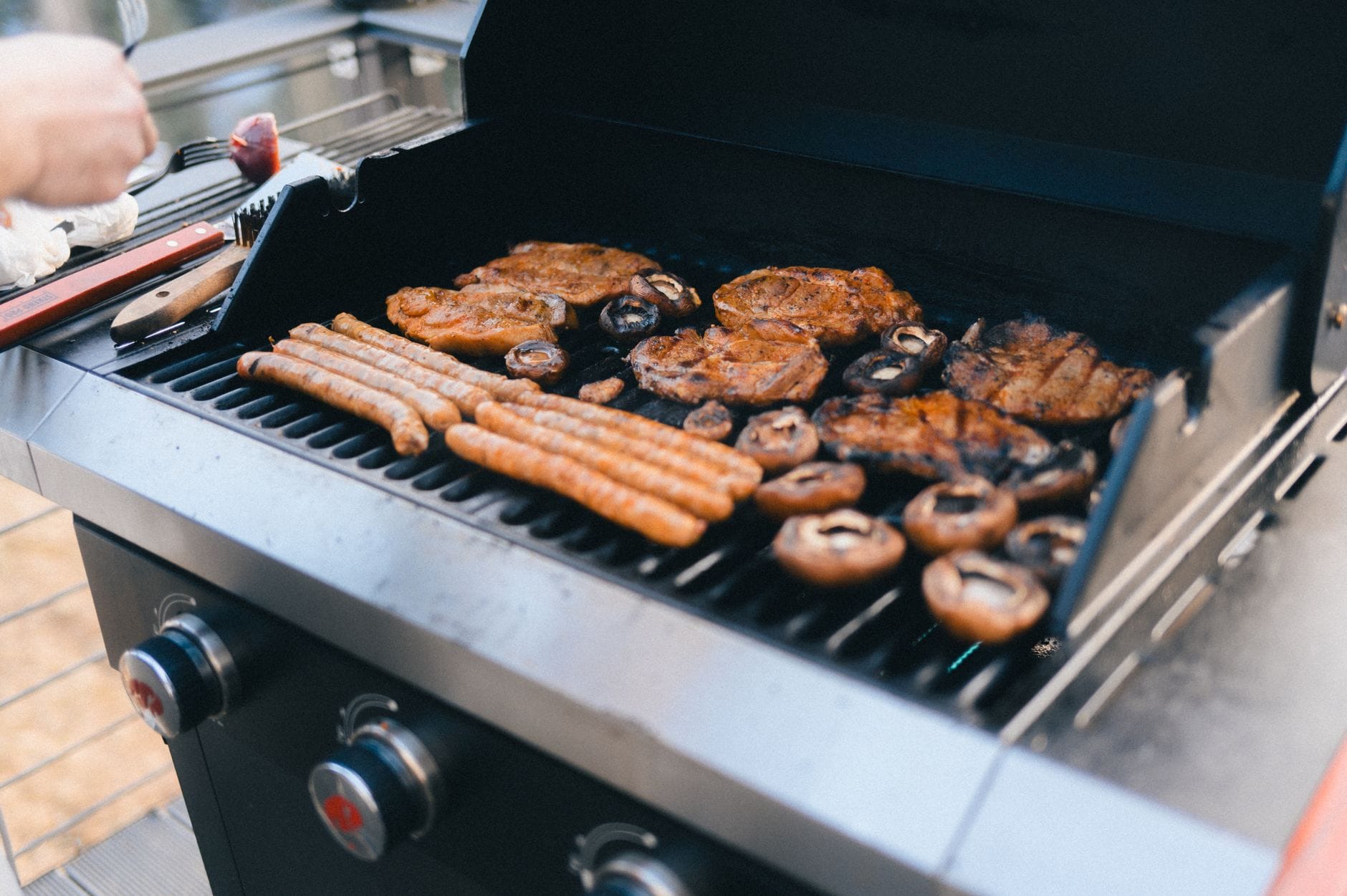
Memorial Day weekend ran the way it always does. Somebody overcooked the brisket, somebody else stood on the deck refreshing an app that wouldn't connect, and at least one guy spent forty minutes outside in the dark trying to figure out why his pellet hopper had stopped feeding. If any of that sounds familiar, you are not alone. The smart grill category spent four years overpromising. It finally turned a corner in 2026 — but only on specific products.
Why the category was a mess until this year
The first wave of Wi-Fi pellet grills sold a fantasy: walk away from the smoker, monitor it from the couch, get a push notification when the brisket hits 203°F. In practice, those grills connected to your router on a 2.4 GHz band that fought every device in the house, dropped offline halfway through a 14-hour cook, and pushed firmware updates that broke the temperature reporting on Saturday afternoon — which is when most of us cook.
Two things changed in late 2025 and early 2026. Traeger pushed a hardware revision called WiFIRE 3 across the Ironwood and Timberline lines, with a dual-band radio and a controller that remembers your settings after a power blip. Weber, after the SmokeFire embarrassment, rebuilt its lineup under the Searwood and Smoque names with a fundamentally different controller stack. And Meater — the Apple-acquired probe company — released the Meater 2 Plus and the four-probe Block 2, which work over Bluetooth-to-Wi-Fi bridges that don't depend on the grill's own electronics at all.
The pellet smoker decision in 2026
Traeger Ironwood XL — $1,799 at Ace Hardware
The sweet spot of the 2026 Traeger lineup. You get the new WiFIRE 3 controller, the Pop-And-Lock accessory rail, a downdraft exhaust that moves smoke evenly across the grates, and 924 square inches of cooking surface. The app, after years of being the worst part of owning a Traeger, is finally usable — the cook graph is readable, probe alerts fire reliably, firmware updates push during off-hours. Skip the entry-level Pro 575 unless you have a balcony-sized footprint; the Pro controller is still last-gen.
Weber Searwood 600 — $899 at Home Depot
Weber's quiet comeback. The Searwood is what the SmokeFire should have been five years ago: a pellet grill that actually sears, holds temperature within 5°F across the grate, and runs an app that doesn't crash when you minimize it. At $900 it undercuts the comparable Traeger by roughly a third. The trade-off is build quality — the lid feels lighter than the Ironwood, and the pellet hopper is smaller. If you cook for six people every Saturday and not a 30-person graduation party, the Searwood is the better buy.
Recteq Bullseye Deluxe — $1,099 at recteq.com
The dark-horse pick. Recteq makes its grills in Georgia, runs phone support out of an actual office where humans answer, and the Bullseye Deluxe hits 750°F for searing — something neither Traeger nor Weber will do without an accessory. The app is fine, not great. If you care more about steak than 18-hour brisket, this is your grill.
The $99 probe that outperforms the $1,500 grill
Here is the punchline. The single best smart-grill upgrade you can buy in 2026 is not a grill. It is a Meater 2 Plus probe — $99 direct from meater.com, or bundled at Williams Sonoma for $109. One stainless probe, dual-sensor (ambient + internal), Bluetooth to your phone, with an optional Cloud bridge for $30 that lets you watch the cook from anywhere.
Three reasons this matters. First, the Meater's ambient sensor is more accurate than the grate-temperature probe built into a $1,799 Traeger. You are reading the air around the meat, not the air ten inches away near the controller. Second, it works on any grill — pellet, gas, kettle, kamado, oven. You are not locked into one ecosystem. Third, the predictive algorithm — "your brisket will hit 203°F in 38 minutes" — has, after four firmware revisions, gotten genuinely good. Plus or minus six minutes on a 12-hour cook is usable.
If you already own a decent dumb grill, a Meater 2 Plus plus the Cloud bridge gets you 90% of the smart-grill experience for $130 total. That's the move.
What to skip in 2026
- Inkbird IBT-26S. The $79 four-probe set looks like a deal until the app loses connection halfway through your cook. Returns are pouring in on Amazon.
- Pit Boss Sportsman with Wi-Fi. Hardware is fine for the money, but the Pit Boss app has not been meaningfully updated since 2023.
- Any smart grill cover or "smart" chimney starter. Solutions in search of a problem.
- Weber Connect Hub as a standalone purchase. Good if it came with your grill. Don't pay $129 retail for one.
The setup that actually works
If you are starting fresh this summer: buy a Weber Searwood 600 or a Recteq Bullseye Deluxe based on whether you smoke or sear more, add a Meater 2 Plus, and skip Traeger's paid recipe subscription. Total spend: $1,000-$1,200. You will cook more confidently than the guy down the street with the $2,500 Ironwood XL who is still on his deck at 11 p.m. trying to get his app to reconnect. The smart-grill category finally works in 2026. Just not the way the marketing says it does.